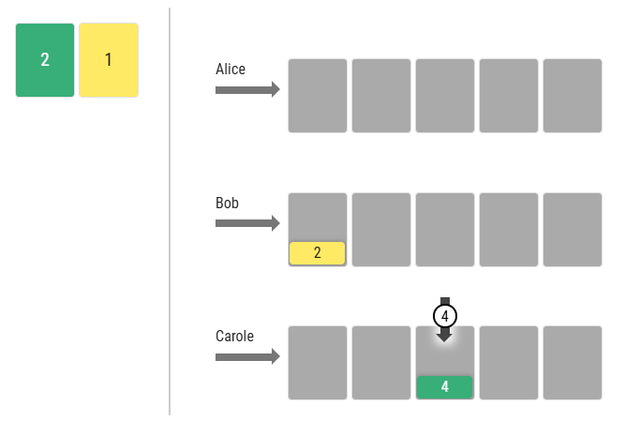
Mentioning Occam's razor as if it's some kind of hanabi law doesn't seem appropriate. On this site majority of good players play by a convention that a clue is finesse until proven otherwise. It's not compatible with Occam's razor, which is used on hanab.live. And it doesn't have to be. It's simpler and it's working well enough. If the aim was efficiency, I'd suggest looking at different convention systems like Reactor.
And to answer the original question... First, by offering your opinion upfront you are attracting more people who will agree with you. You will not learn about a consensus on this matter on the forum, becuase there is none.
I have played both ways in the past: either you can make more bluffs on more cards and lose precise information about identity of marked (or promised) cards, or you can be strict about your (double) bluffs and retain more information on cards remaining in hands, allowing for more unprompted plays in the future.
There are pros and cons to both approaches. I have my preference, but it does not matter. The efficiency is most likely very similar, or maybe slightly better for strict promise approach if you take into account future plays, e.g. when you bluff on a random 3 (yellow or black, or maybe even red) to make 1r and 1b play, that's 2 plays now and 0 plays later. When you play strict promise bluff, you sometimes lose the possibility to clue double bluff, but in situations when you can do it, you get 2 plays now and 1 or 2 unprompted plays later, so that's more often 2 vs less often 3-4.
What should matter is if you play with people infrequently ask them which way they want to play before a game starts. If you play with someone frequently, you should already know their preference. Communication is the most important part of the game even before it starts.
And to answer the original question... First, by offering your opinion upfront you are attracting more people who will agree with you. You will not learn about a consensus on this matter on the forum, becuase there is none.
I have played both ways in the past: either you can make more bluffs on more cards and lose precise information about identity of marked (or promised) cards, or you can be strict about your (double) bluffs and retain more information on cards remaining in hands, allowing for more unprompted plays in the future.
There are pros and cons to both approaches. I have my preference, but it does not matter. The efficiency is most likely very similar, or maybe slightly better for strict promise approach if you take into account future plays, e.g. when you bluff on a random 3 (yellow or black, or maybe even red) to make 1r and 1b play, that's 2 plays now and 0 plays later. When you play strict promise bluff, you sometimes lose the possibility to clue double bluff, but in situations when you can do it, you get 2 plays now and 1 or 2 unprompted plays later, so that's more often 2 vs less often 3-4.
What should matter is if you play with people infrequently ask them which way they want to play before a game starts. If you play with someone frequently, you should already know their preference. Communication is the most important part of the game even before it starts.